
“If you would not be forgotten, as soon as you are dead and rotten, either write things worth reading, or do things worth writing.”
~ Benjamin Franklin, Poor Richard’s Almanack
Reflecting on our lives and preserving our stories is a focus for many as we age. What distinguishes this from other
forms of memoir or creative nonfiction? “Legacy writing,” as this genre has come to be called, simply involves greater consideration for the readers who will be reading your stories in the generations to come—most often, your direct descendants who will receive your written pieces as part of their legacy.
A “legacy” is anything handed down from the past; it is a gift that is passed on. When we think of the inheritances we may plan to leave to family members or loved ones, we tend to put monetary valuations on such transfers. However, for those you will leave behind, the valuation of your written stories is likely immeasurable.
Legacy writing can come in many different forms, depending on the types of stories you and your family members want
to explore and record. The process of legacy writing can also bring families together to collaborate in the creation of a
“full” family history. In this sense, legacy writing can serve to:
Preserve family stories and create lasting legacies of family lineages, so details of a family’s history will not be lost when one family member passes on
Celebrate and honor the diversity of families by collecting multiple perspectives and experiences of the past
Create a living document to which all family members can contribute, including caretakers and other witnesses,
thus facilitating healing for families dealing with illness and impending loss
Provide a pathway for important conversations for the whole family in preparation for the inevitability of a loved
one’s passing
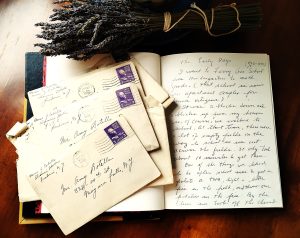
To read an example of legacy writing aimed at preserving family history, check out the first post on Mining for Meaning‘s Substack publication: Writing Your Life. This publication is a free newsletter with one goal: to share human stories! You can subscribe and invite others to join.

Legacy Writing at Many Stages of Life
Legacy writing, while often undertaken later in life, need not be limited to the elderly. When my children were young,
I wrote them a letter each year on their birthdays, cataloging the highlights of that year with the aim of capturing a
glimpse of who they were during each phase of childhood. When they each turned 18, I collected these letters into
books I gave them as the definitive records of their childhoods. I anticipate they will return to these pages some day
in search of answers or recollections about the past.
When I am no longer alive to recount the same family stories I’ve told dozens of times, always emphasizing familiar
details and pacing, they will hear my voice re-telling these stories in just the same way. While assembling these books,
I could picture future offspring reading the pages. This is the power of legacy writing: you are writing to the future,
to the as-yet-uncreated. And your creation may lead them to some better understanding of where they came.
This course has been designed to facilitate the creation of your family’s legacy. The course can be undertaken individually, or with the participation of other family members. Legacy writing is an excellent activity for family
members to undertake together as they move through illness, hospice care, or other care-giving situations.
Births and deaths are times of heightened emotional intensity—and creativity! Writing through such experiences
will not only lead to a lasting written legacy, but will also help you process your emotions as you move through grief
and toward celebration.
This 6-module course will:
Provide a foundation in legacy writing and what it has to offer
Explore the value of elegy, or writing focused on loss, as a healing modality
Include numerous prompts to get you writing your own personal history
Provide shareable prompts to help you put individual family members’ stories into the larger context of the family history
Price: $300